Skip to content
What Is Packaging Surface Finishing?
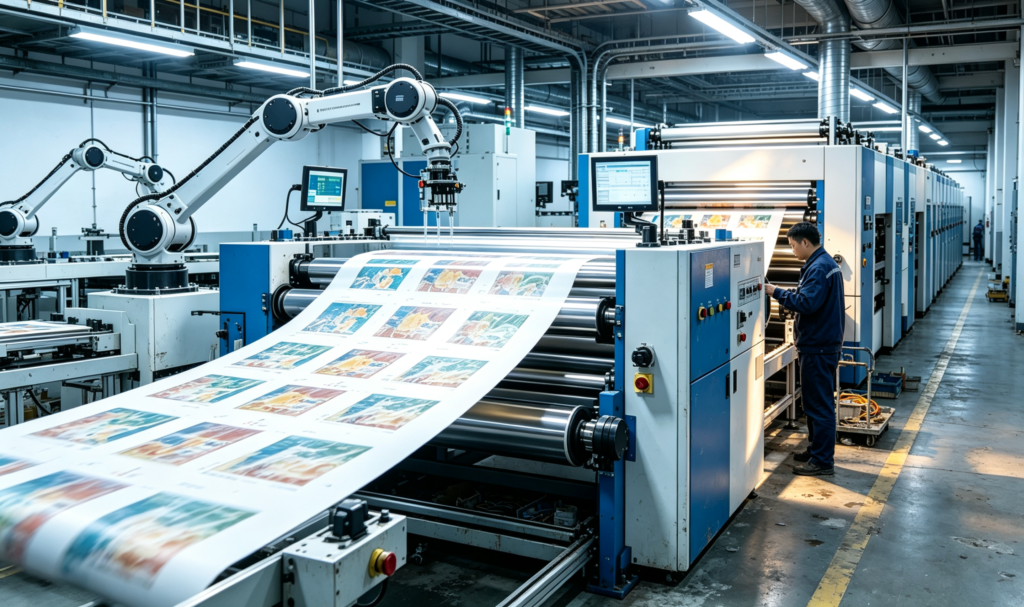
Packaging box surface finishing refers to a series of post-press processing techniques applied to the surface of boxes (such as paper boxes, color boxes, and gift boxes) after printing or forming. Its primary purpose is to enhance visual appeal, elevate tactile texture, provide essential surface protection, and boost the overall perceived value of the product.
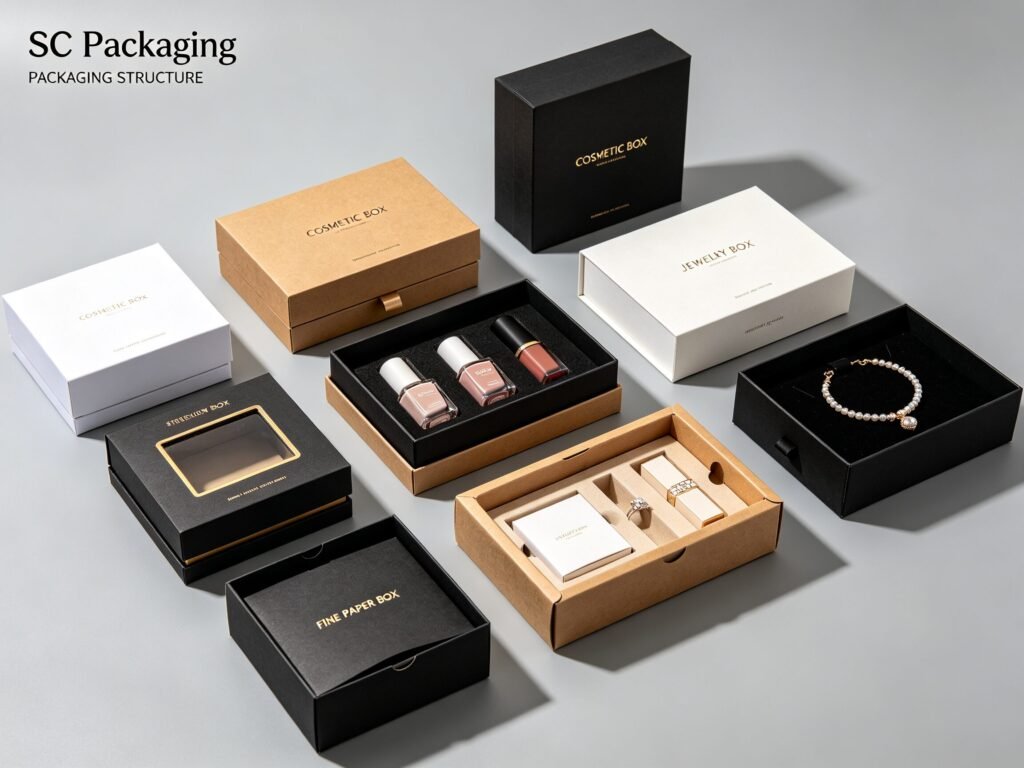
Common Packaging Finishing Techniques
The line between ordinary and premium packaging often comes down to a single finishing technique.
If paperboard is the skeleton, surface finishing is the skin—choose the right process, and even standard paperboard undergoes a total transformation. However, with so many options on the market—foil stamping, embossing, lamination, spot UV—each comes with its own unique traits. Using the wrong technique can be far more damaging than using none at all.
Today, SC Packaging breaks down the 6 most mainstream surface finishing techniques in the industry. From tactile feel and cost considerations to ideal applications and critical production pitfalls, we cover it all.
Read on to confidently determine exactly which finish your packaging needs—without wasting your budget.
Lamination
Matte Lamination
Matte lamination has a non-reflective surface with a matte texture, a solid feel, and a more high-end visual appearance. It is currently the most widely used film in the market, offering broad applicability, and is the default choice for most packaging to enhance quality.
Gloss Lamination
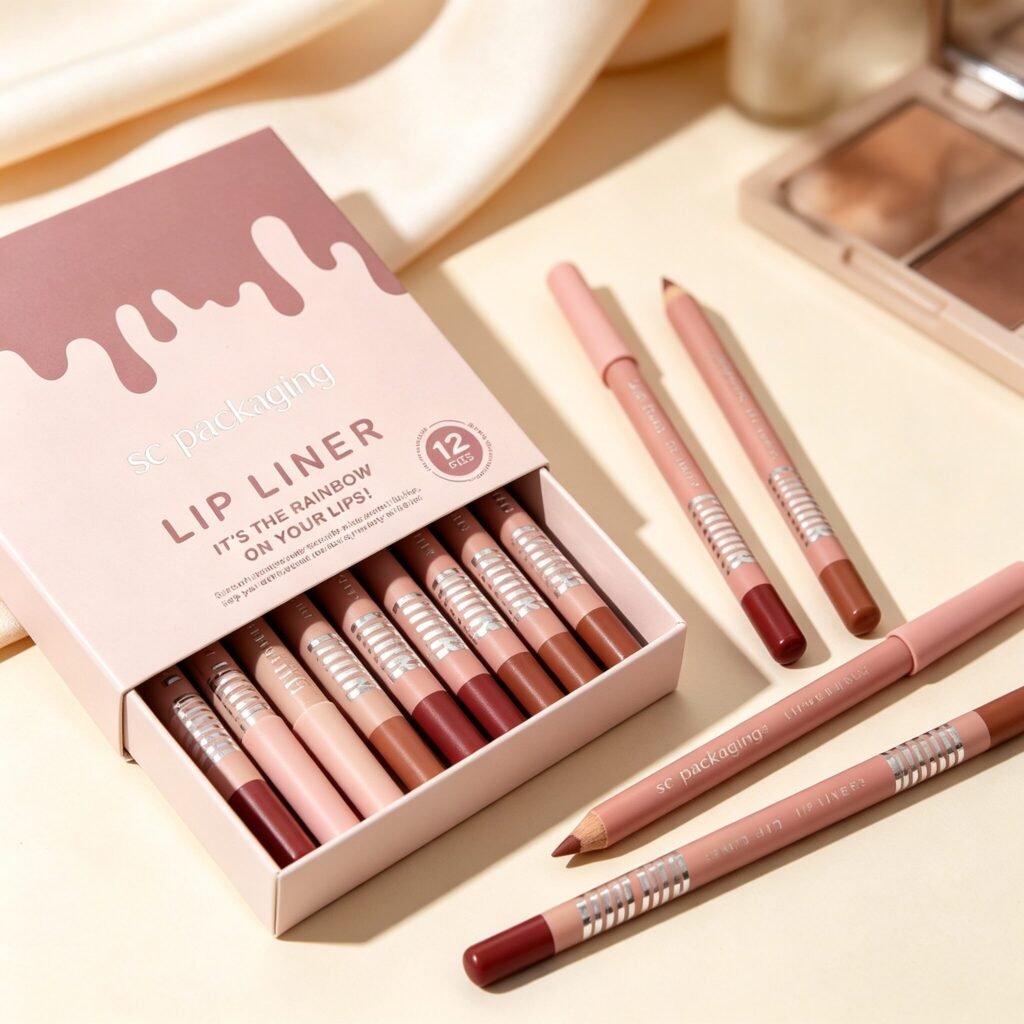
Gloss lamination has a bright and highly transparent surface that has almost no effect on ink color, preserving the printed colors to the maximum extent. Cosmetics box sets often use gloss film for its clear, bright, and shiny visual effect. However, gloss film reflects light easily and can interfere with vision under strong light, so it is not recommended for printed products that need to be viewed for a long time, such as calendars.
Can You Skip Lamination?
Unlaminated paper boxes are not waterproof and easily deform due to ambient humidity. Without a protective surface layer, their tear and fold resistance is poor, making them easy to tear or break. Especially at the die-cut crease lines, unlaminated paper is extremely prone to cracking, directly affecting product yield and service life.
The first impression of a packaging box is crucial, and quality is the brand’s first statement—do not suffer a big loss for a small saving by skipping a process. Unless it is single-use disposable packaging, skipping the lamination process is not recommended.

Foil Stamping
Foil stamping is a specialized inkless printing process that heat-presses hot stamping foil onto the substrate surface under specific temperatures and pressures. Foil stamping is not limited to gold; hot stamping foils come in many colors, including gold, silver, laser gold, laser silver, black, red, green, and more. When there are no special requirements, gold and silver foil stamping remain the most common on the market. Foil stamping enhances the texture of an object, making packaging look more luxurious with a strong visual impact. It is suitable for various substrate surfaces such as cards, covers, packaging boxes, business cards, and envelopes.

Embossing & Debossing
Embossing and debossing is a process that applies pressure to the surface of printed materials to create raised or recessed patterns and text. It is divided into embossing and debossing; in most cases, both exist simultaneously to create a corresponding raised and recessed effect.
Embossing
Embossing applies pressure from the back of the paper, causing the pattern or text to bulge upward. The raised area has a distinct tactile feel, making it visually three-dimensional and layered, which is suitable for highlighting brand logos or core graphics.
Debossing
Debossing applies pressure from the front of the paper, causing the pattern or text to indent downward. The debossed effect is more understated and restrained, with light creating subtle shadows within the indentations for a refined texture, often used to express a minimalist, high-end design style.

Spot UV
UV printing is a process that cures UV ink using ultraviolet lamps to form a high-gloss effect on the surface of printed materials. Both in terms of glossiness and wear resistance, it is superior to traditional varnishes and aqueous coatings.
UV is divided into two types: full-page UV and spot UV. Full-page UV is a surface finish that covers the entire area; spot UV is a decorative process that brightens only specific graphic or text areas.
Advantages of the UV Process
UV can enhance product brightness and artistic effects while protecting the product surface. It is corrosion-resistant, friction-resistant, and unlikely to show scratches. The finished product has a vibrant appearance, strong gloss, and excellent adhesion.

Varnishing
Varnishing is a process of applying a layer of gloss varnish or matte varnish onto the surface of printed materials to protect them, providing waterproof and scratch-resistant functions. Gloss varnish enhances the brightness of printed products, while matte varnish makes the surface texture look more high-end.
The varnishing process is more environmentally friendly, but paper becomes brittle after varnishing, which is something to keep in mind. Currently, lamination remains the mainstream choice in the domestic market, whereas the use of varnish on printed materials is more common overseas. If your products are exported cross-border, you may consider choosing the varnishing process, as it better aligns with the environmental preferences of overseas markets.
Window Patching
Window patching is a post-press finishing process in which a layer of transparent film is attached to a die-cut printed product. It mostly involves localized windowing used to display a portion of the product. It is commonly used for windowed paper boxes, shoeboxes, and folding cartons.
The window patching process is frequently seen in packaging for food, cosmetics, and toy boxes. The windowed design allows consumers to intuitively see the actual appearance of the product, enhancing product authenticity and trust, making it an effective means to drive purchasing decisions.
The Right Choice Creates Premium Packaging
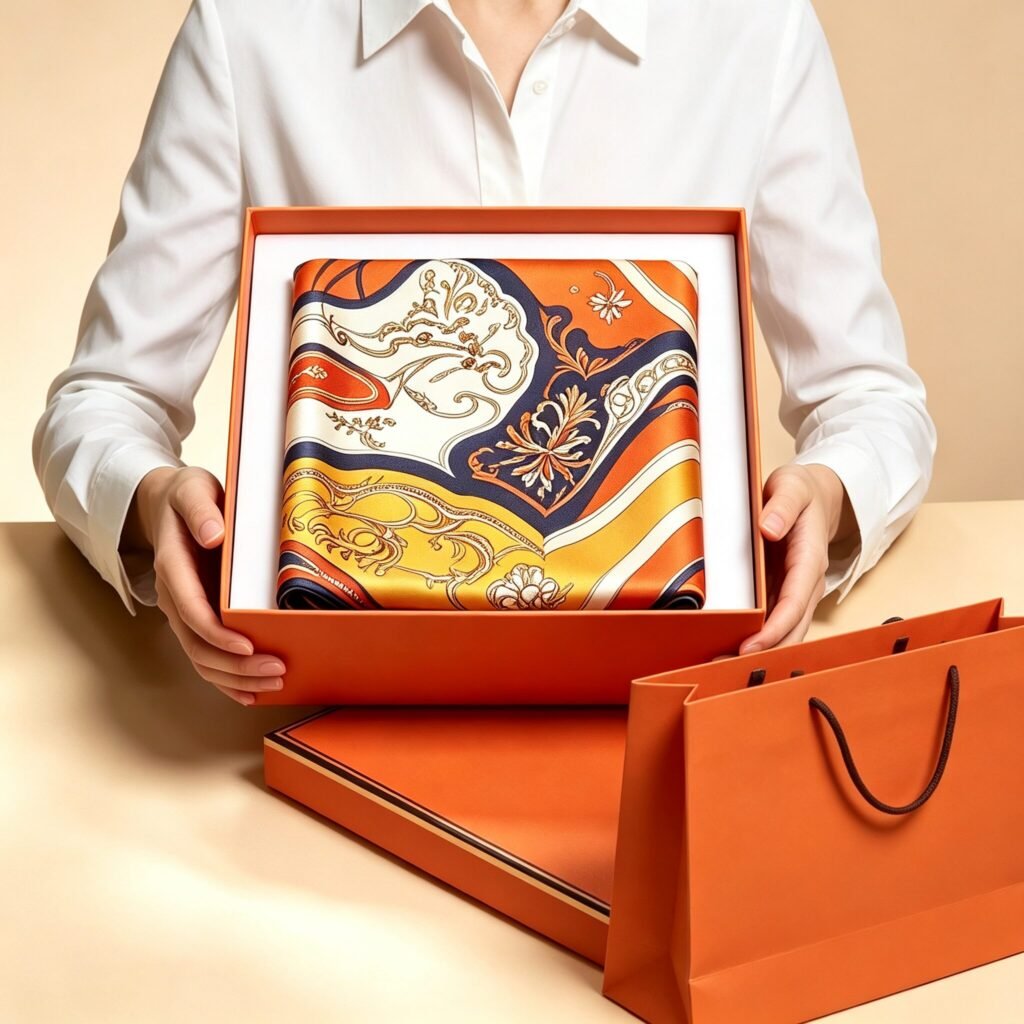
Choosing the right surface finishing technique can dramatically enhance the appearance, tactile feel, and overall value of your packaging box.
Whether you are looking for the luxurious metallic shine of foil stamping, the high-end tactile experience of embossing, or the modern visual contrast of spot UV, the right finish ensures your packaging authentically reflects your brand identity.

At SC Packaging, we provide a comprehensive range of custom packaging finishing solutions. Our experienced team is ready to guide you in selecting the ideal combination tailored to your product type, brand positioning, and budget.
Create packaging that not only protects your product, but also leaves a lasting impression on your customers.
Contact SC Packaging today to explore custom packaging solutions crafted for your brand.