Skip to content
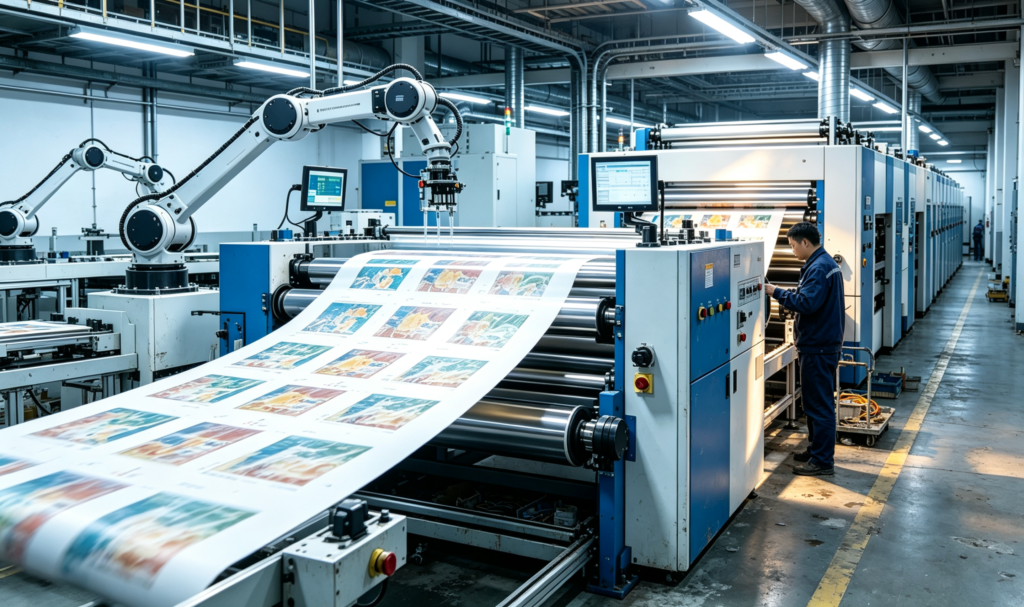
As brands look for more sustainable ways to package their products, water based barrier coating is becoming an increasingly attractive alternative to traditional plastic-film lamination.
But what exactly is water based barrier coating? How does it compare with BOPP lamination? And why is it becoming a valuable solution for, especially for brands serving export markets?
In simple terms, water based barrier coating is a functional coating applied directly to paper or paperboard to provide moisture, grease, abrasion, and surface protection without adding a conventional plastic film layer.
For many paper-based packaging applications, it offers an effective way to reduce reliance on plastic lamination while maintaining the appearance, feel, and performance that modern packaging requires.
What Is Water Based Barrier Coating?
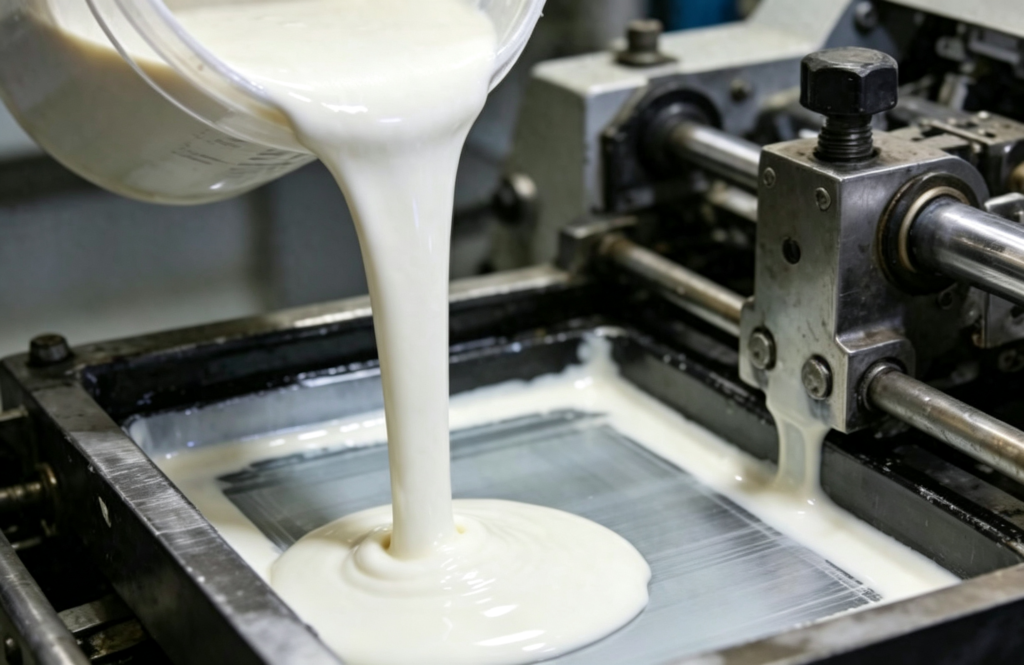
A water based barrier coating is a specially formulated liquid coating applied directly to the surface of paper or paperboard.
Once dried, it forms a thin protective layer that can provide different functional properties depending on the formulation and application.
These properties can include:
- Moisture resistance
- Water repellency
- Grease and oil resistance
- Abrasion resistance
- Surface protection
- Heat-sealing capability
- Improved print protection
Water Based Barrier Coating vs. Traditional Lamination
The difference is simple.
Traditional Lamination: A separate BOPP, PE, or other plastic film is bonded to the paper surface.
Water Based Barrier Coating: A functional liquid coating is applied directly to the paper surface and dried to create a protective barrier.
In other words:
Traditional lamination = adding a plastic film.
Water based barrier coating = adding a functional barrier layer directly to paper.
This gives brands another way to achieve the protection they need while reducing dependence on conventional plastic-film structures.
What Can Water Based Barrier Coating Do?
The exact performance depends on the formulation, coating weight, paper substrate, and intended application. With the right coating system, it can provide several important benefits for paper packaging.
1. Moisture and Water Resistance
Water based barrier coating can help protect paper packaging against moisture and short-term exposure to water droplets.
This is useful for packaging that may encounter humidity, condensation, or occasional moisture during transportation, storage, and handling.
For many paper packaging applications, a suitable coating can provide the water resistance needed without adding a conventional plastic film.
2. Grease and Oil Resistance
Some water based barrier coating formulations are designed to resist grease and oil.
This makes them suitable for selected food and takeaway packaging applications, including:
- Burger wrappers
- Bakery bags
- Foodservice packaging
- Takeaway bags
- Paper trays
- Food holders
The coating creates a functional barrier that helps prevent grease from quickly penetrating the paper.
3. Abrasion and Surface Protection
Paper packaging can experience friction and surface wear throughout production, transportation, storage, and handling.
Water based barrier coating can improve resistance to:
- Scuffing
- Scratching
- Ink wear
- Surface abrasion
- Handling damage
This helps printed packaging maintain a cleaner and more premium appearance from production to the final customer.
4. Heat-Sealing Capability
Certain water based barrier coating systems can provide heat-sealing properties for paper bags and pouches.
Under suitable temperature, pressure, and sealing-time conditions, the coated surfaces can bond together during packaging production.
For suitable applications, this provides an alternative to conventional PE extrusion coating and can help reduce plastic layers in the packaging structure.
5. Natural Paper Feel
One of the biggest differences customers notice is the surface feel.
Plastic-film lamination creates a distinct film-like surface. Water based barrier coating can maintain more of the original paper appearance and tactile feel while still providing functional surface protection.
This makes it particularly attractive for brands that want packaging to look and feel more natural.

Why Is Water Based Barrier Coating Important for Export Packaging?
For export packaging, brands are looking beyond appearance and protection. They are increasingly evaluating the material structure, recyclability, plastic content, and sustainability of packaging.
This is especially relevant in Europe.
The EU Packaging and Packaging Waste Regulation (PPWR) began applying on 12 August 2026. The regulation establishes requirements covering packaging manufacturing, composition, recyclability, waste prevention, and the management of packaging waste.
This growing focus on recyclable and resource-efficient packaging is increasing demand for paper-based solutions that can deliver functional performance without unnecessary plastic components.
Supporting Paper-Based Packaging Design
Water based barrier coating can help packaging manufacturers reduce the need for separate plastic-film layers in suitable applications.
Instead of automatically laminating a paper package with BOPP, manufacturers can evaluate whether the required moisture, grease, abrasion, or surface protection can be achieved through a functional coating.
This approach can help create packaging that is:
- More paper-based
- Lower in conventional plastic content
- More compatible with paper-recycling goals
- More attractive to sustainability-focused brands
Actual recyclability depends on the complete packaging structure, including the paperboard, coating, inks, adhesives, and other components.
Reducing Plastic in Packaging
Traditional lamination adds a separate plastic film to paper.
Water based barrier coating can provide an alternative where a full plastic-film barrier is not required.
For brands developing plastic-reduced packaging, paper-based packaging, recyclable packaging, and sustainable export packaging, this makes water based barrier coating an increasingly valuable option.
Food Contact Packaging
Water based barrier coating can also be developed for selected food-contact applications.
However, food packaging must meet the applicable food-contact requirements of the destination market. The European Commission states that food-contact materials, including food packaging, must comply with EU safety requirements and applicable good manufacturing practices.
This makes the selection of the coating system, substrate, inks, adhesives, and final packaging structure especially important.
Where Can Water Based Barrier Coating Be Used?
Water based barrier coating can be applied to a wide range of paper-based packaging.
Food Packaging
Suitable applications can include:
- Burger wrappers
- Bakery bags
- Takeaway packaging
- Foodservice bags
- Paper trays
- Cup holders
Grease-resistant, moisture-resistant, and heat-sealable coating systems can be selected according to the application.
Cosmetics and Beauty Packaging
Water based barrier coating can be used for:
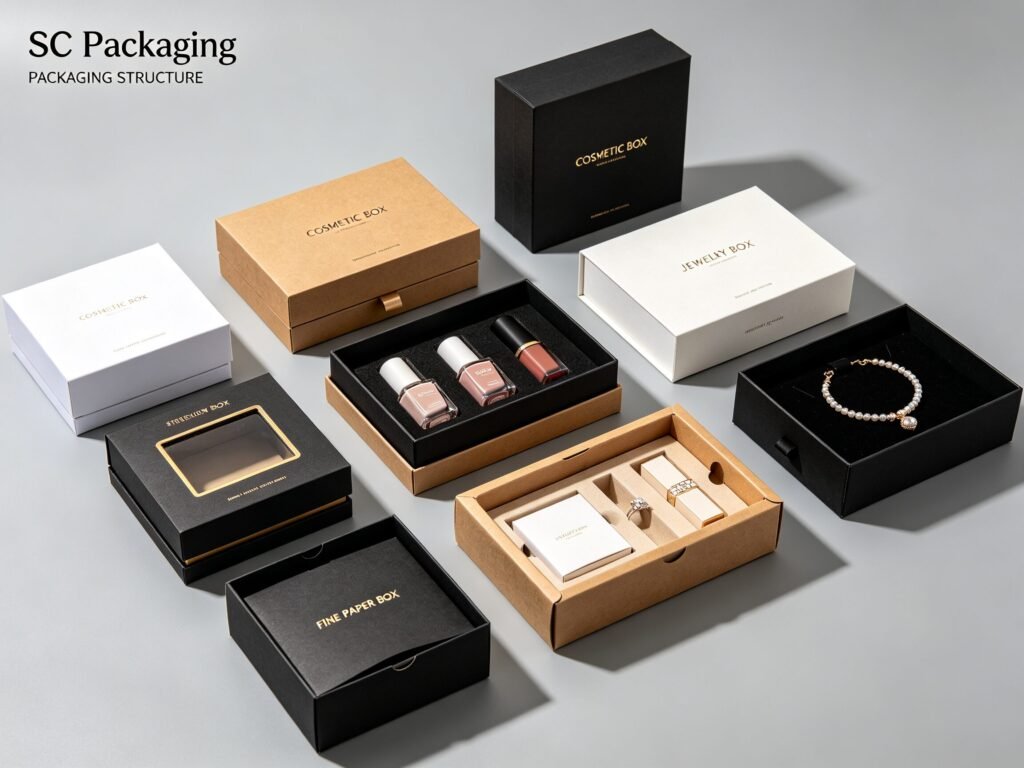
- Cosmetic boxes
- Skincare cartons
- Perfume boxes
- Beauty product packaging
- Toothpaste cartons
For premium cosmetic packaging, the coating helps protect printed surfaces while preserving a more natural paper feel.
Consumer Electronics Packaging
Examples include:
- Smartphone boxes
- Headphone boxes
- Cable packaging
- Accessory boxes
- Printed inserts
The coating can help protect printed graphics from scuffing and handling while maintaining a clean, premium appearance.
Retail and Gift Packaging
Applications can include:
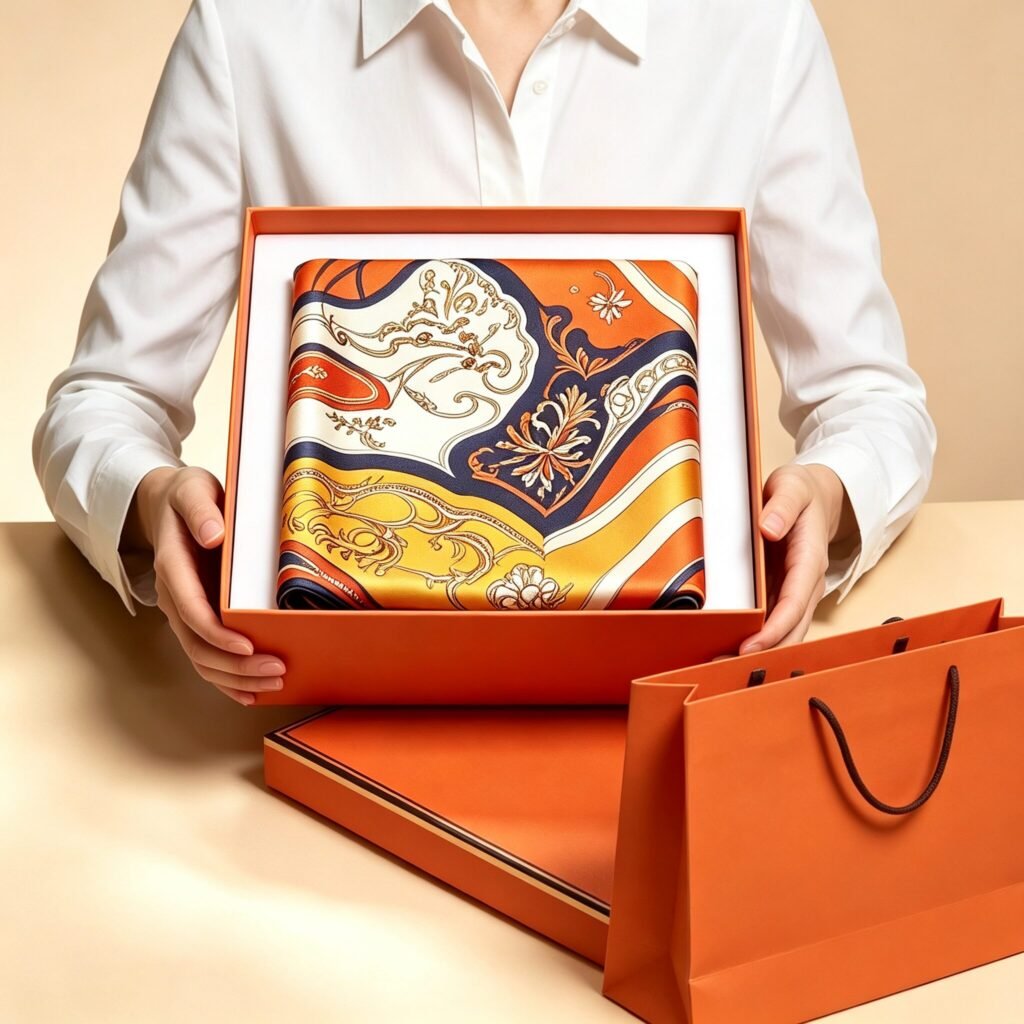
- Gift boxes
- Product cartons
- Retail sleeves
- Premium packaging
- Brand presentation boxes
This makes water based barrier coating an attractive option for brands that want premium paper packaging without a conventional plastic-film feel.
Paper Bags and Pouches
For suitable paper bags and pouches, specialized water based barrier coatings can provide moisture resistance, grease resistance, and heat-sealing properties.
This makes them a practical alternative to some conventional PE-coated paper structures.
Water Based Barrier Coating vs. Traditional Lamination
| Feature | Traditional Plastic Lamination | Water Based Barrier Coating |
|---|---|---|
| Plastic film | Uses BOPP or another plastic film | No conventional plastic film layer |
| Moisture resistance | High | Available with suitable formulations |
| Grease resistance | High | Available with suitable formulations |
| Surface protection | High | High for many applications |
| Paper feel | More film-like | More natural paper feel |
| Material structure | Paper + plastic film | Paper + functional coating |
| Recycling considerations | Separate film layer can complicate recycling | Can be designed for paper-recycling compatibility |
| Heat sealing | Requires suitable plastic structure | Available with selected formulations |
| Material usage | Requires a separate film layer | Uses a thin coating layer |
| Application | Separate lamination process | Can be integrated into printing or finishing, depending on system |
| Best suited for | Traditional laminated packaging | Paper-based and plastic-reduced packaging |

Why Are More Brands Considering Water Based Barrier Coating?
The appeal of water based barrier coating comes from the combination of several benefits rather than one single feature.
Reduce Conventional Plastic
Replacing a separate plastic film with a functional coating can help reduce conventional plastic content in suitable paper packaging.
Maintain Packaging Performance
A properly selected coating can provide moisture resistance, grease resistance, surface protection, and other functions required by the packaging application.
Preserve the Paper Experience
Brands can maintain a more natural paper appearance and tactile feel instead of creating a fully film-laminated surface.
Support Sustainable Packaging Goals
For brands working toward more recyclable and plastic-reduced packaging structures, water based barrier coating provides another practical material option.
Suitable for Modern Export Packaging
As brands selling internationally pay greater attention to packaging sustainability and regulatory requirements, coating technology is becoming an increasingly important part of packaging design.
How to Choose the Right Water Based Barrier Coating?
Choosing the right coating starts with the packaging requirement.
Important factors include:
What product will the package contain?
Does the package need moisture or grease resistance?
Will the package be exposed to friction during transportation?
Does it require heat sealing?
Is it intended for food contact?
What paper or paperboard will be used?
What are the requirements of the destination market?
Once these requirements are clear, the appropriate coating formulation, paper substrate, coating weight, printing process, and finishing method can be selected.
At SC Packaging, we can evaluate the complete packaging structure and recommend a suitable combination of paper, coating, printing, and finishing based on your product and target market.

Frequently Asked Questions
What Is Water Based Barrier Coating?
Water based barrier coating is a functional liquid coating applied directly to paper or paperboard to provide properties such as moisture resistance, grease resistance, abrasion protection, and surface protection.
Can Water Based Barrier Coating Replace BOPP Lamination?
For many paper-based packaging applications, yes. It can provide an effective alternative where the packaging does not require the full barrier characteristics of a conventional plastic-film structure.
Is Water Based Barrier Coating Waterproof?
It can provide moisture and short-term water resistance. The actual level of water resistance depends on the coating formulation, coating weight, paper substrate, and application.
Is Water Based Barrier Coating Recyclable?
Some water based barrier coating systems are designed to work with paper recycling processes. The recyclability of the final package depends on the complete packaging structure and the applicable recycling requirements.
Can Water Based Barrier Coating Be Used for Food Packaging?
Yes. Certain formulations are designed for food-contact applications. The complete packaging system must meet the applicable food-contact requirements of the target market.
What Is the Difference Between Water Based Barrier Coating and Lamination?
Traditional lamination bonds a separate plastic film to paper, while water based barrier coating applies a functional liquid coating directly to the paper surface.
Why Is Water Based Barrier Coating Good for Export Packaging?
It provides a way to add functional protection to paper packaging while reducing reliance on conventional plastic-film lamination.
This makes it especially attractive for brands developing paper-based and plastic-reduced packaging for international markets.
Conclusion
Water based barrier coating provides a practical way to add functional protection to paper packaging while reducing reliance on conventional plastic-film lamination.
With suitable formulations, it can provide moisture resistance, grease resistance, abrasion protection, surface protection, heat-sealing properties, and a more natural paper feel.
For brands looking for a better alternative to traditional plastic lamination, especially for paper-based export packaging, water based barrier coating offers a flexible and increasingly attractive solution.
At SC Packaging, we provide customized paper packaging solutions and can help you select the right paperboard, water based barrier coating, printing, box structure, and finishing process for your product.
Looking for a plastic-reduced packaging solution? Contact SC Packaging to discuss your water based barrier coating project and get a customized packaging solution.