Skip to content
In today’s highly competitive market environment, the importance of a brand to an enterprise is self-evident. A brand represents the image of a company; it can endow products with unique value and meaning, attract consumer attention, and build loyalty. Packaging, as an essential component of a brand, possesses intuitive visual impact and the function of conveying brand value.
This article by SC Packaging will explore the relationship between packaging and branding, and how to create an outstanding visual identity through excellent packaging design.
The Relationship Between Packaging and Branding
Packaging is the bridge between the product and the consumer, serving as the first interface between the brand and the customer. A good packaging design can make a product stand out among numerous similar items through its unique appearance and attractive visual elements. Packaging is not just a protective shell for the product; it is a vital medium for communicating the brand’s values and personality.
Conveying Brand Values
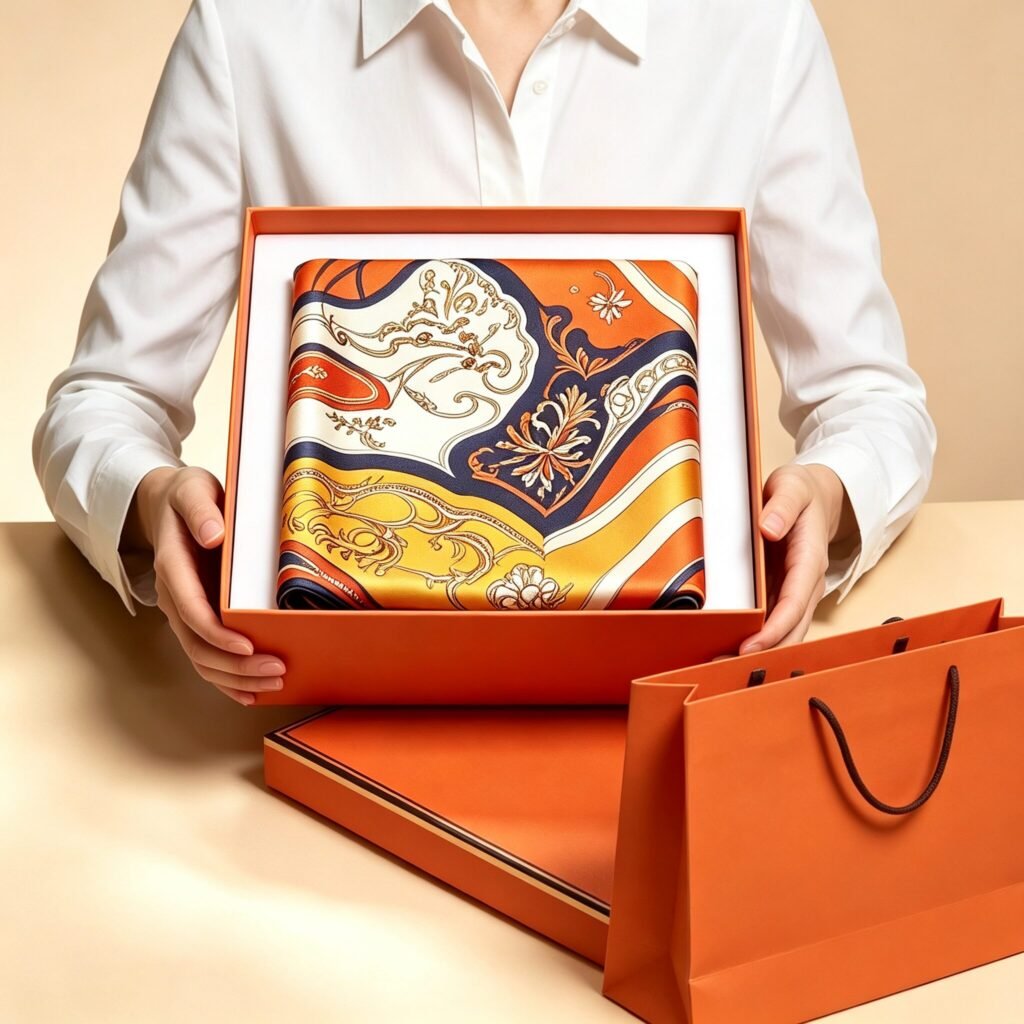
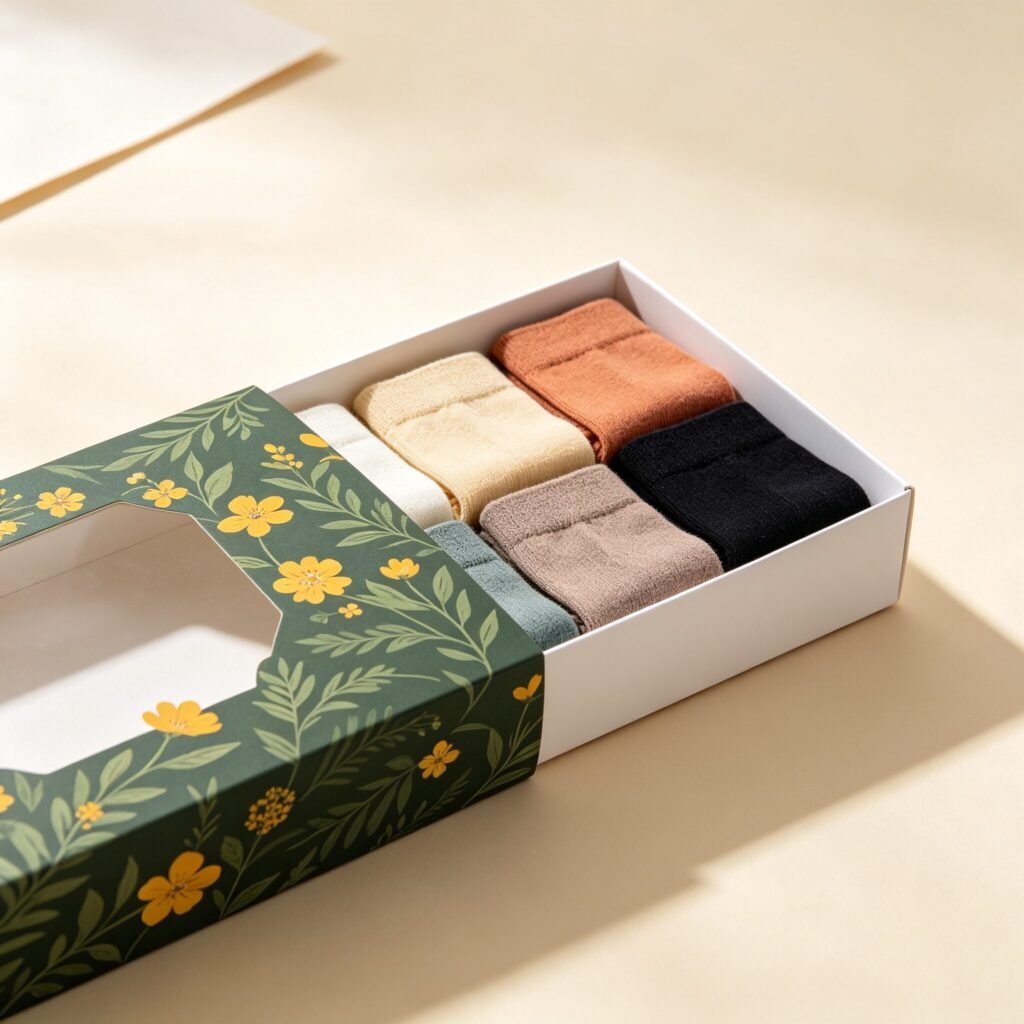
Packaging design can communicate the core values of a brand through elements such as colors, patterns, and text. For example, eco-friendly brands can use natural, fresh tones and materials to reflect their care for the environment; luxury brands, on the other hand, can utilize noble, exquisite design styles along with unique craftsmanship and materials to highlight a distinct taste and status.
Through the combination of visual elements, packaging design intuitively delivers the core philosophy of the brand to the consumer, enhancing brand recognition and impression.
Convey Brand Values
Excellent packaging design can shape a unique image and personality for a brand. Brand image is the consumer’s overall impression and perception of the brand, and packaging, as the brand’s external manifestation, can showcase its characteristics through design style, material selection, and structural design.
For instance, young and fashionable brands can use bright colors and creative shape designs to present an energetic and innovative image, while traditional and steady brands might choose classic colors and minimalist designs to highlight their reliability and professionalism.

Creating Differentiated Visual Identity
A differentiated visual identity is one of the core objectives of packaging design. By refining unique design elements, consumers can quickly recognize and connect with the brand, thereby achieving competitive differentiation and increased market awareness.
Unique Visual Identity Design:
Brand logos or symbols are among the most critical elements in packaging design. They are the core identifying symbols of a brand and can include the brand name, logo, slogan, graphics, or specific typography.
Through a meticulously designed brand identity, consumers can quickly identify the brand to which a product belongs and associate it with the brand’s image and values. A successful brand identity should be unique, concise, and memorable to stand out in the market.
Color and Pattern Design:
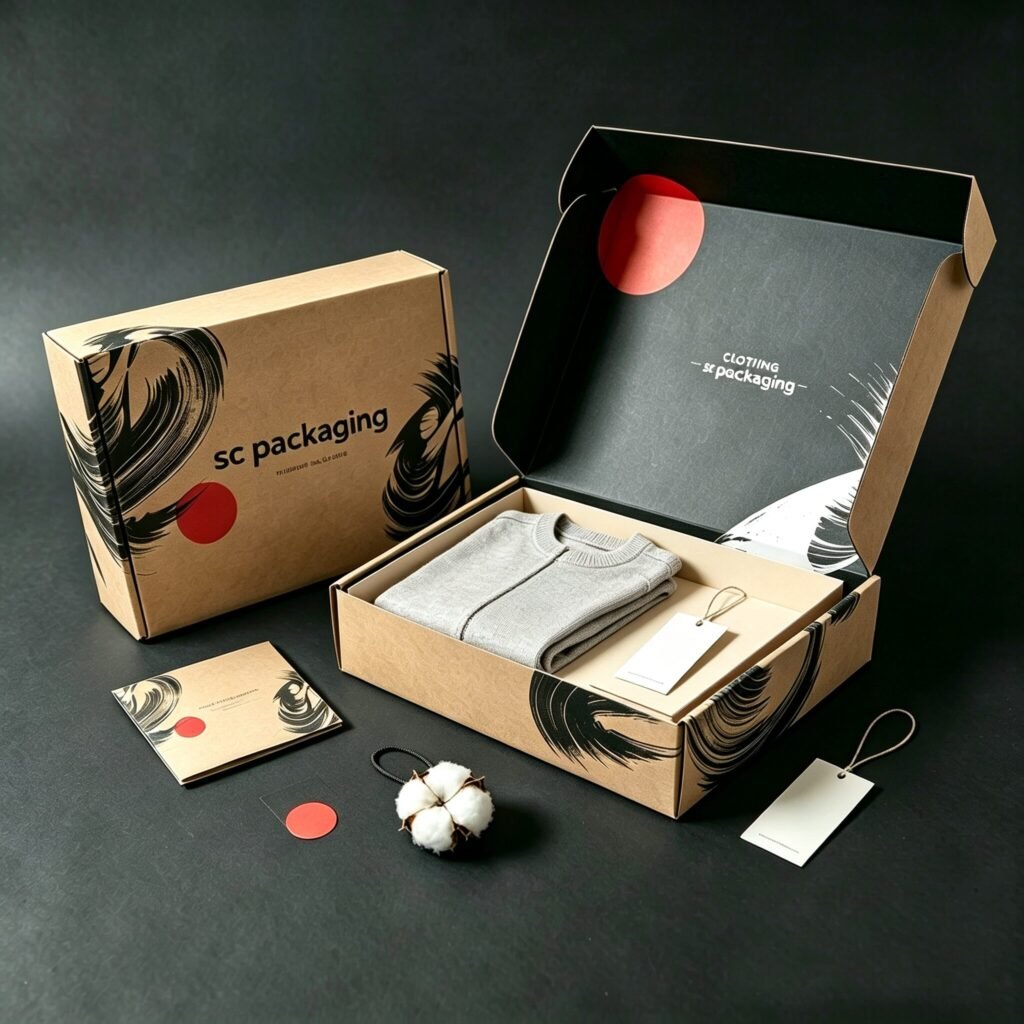
Colors and patterns are powerful communication tools in packaging design. Every color and pattern can trigger different emotions and associations, thereby influencing consumers’ perceptions and attitudes toward the brand. Therefore, selecting colors and patterns that suit the brand positioning and target audience is crucial.
For example, red can convey vitality and passion, making it suitable for young and fashion-forward brands; blue is often used to communicate stability and reliability, ideal for finance and technology brands. At the same time, unique pattern designs can increase packaging recognition, allowing consumers to connect with the brand at a glance.
Material and Structural Design:
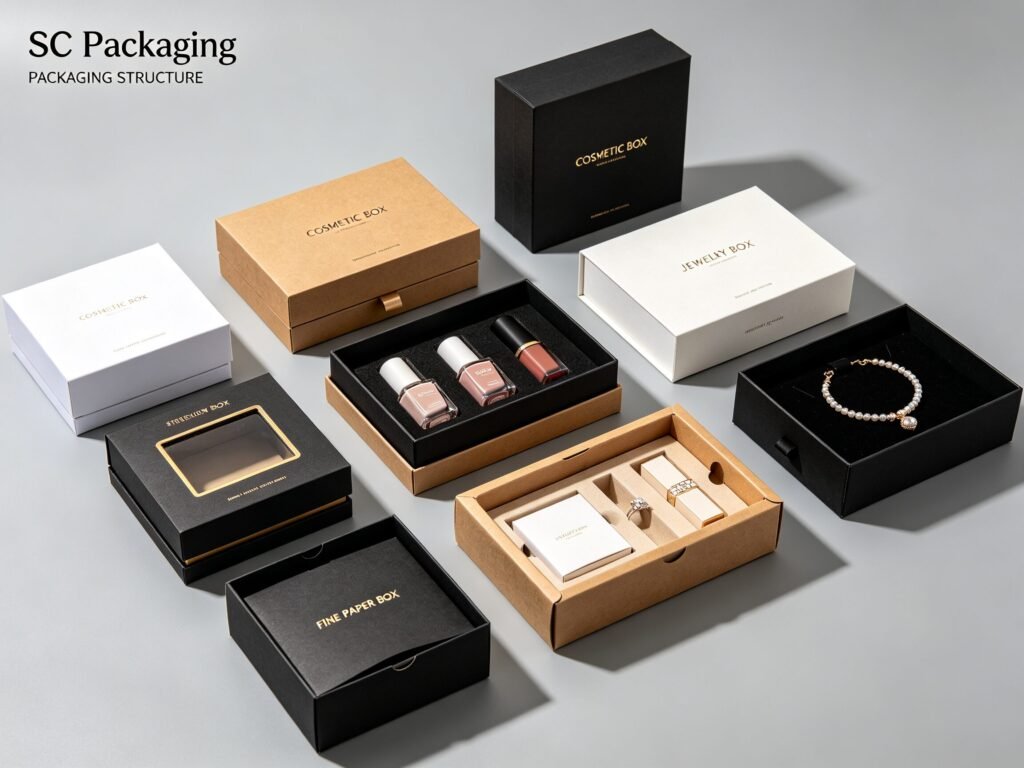
The material and structural design of packaging are also vital factors in creating visual identity. Different materials can give packaging distinct textures and tactile sensations, which in turn affect consumer perception of product quality and value. Furthermore, creative structural design can attract consumers’ attention and increase the uniqueness of the packaging. For example, a unique opening method, special folding structures, or creative display methods can leave a profound impression on consumers and build a strong association with the brand.

In a fiercely competitive market environment, the relationship between packaging and branding is inseparable. 72% of U.S. consumers say product packaging design often influences their purchase decisions[From: Ipsos.com]. Through excellent packaging design, a brand can convey its values, shape its image, and build a unique visual identity.
Ultimately, packaging design is not just about pursuing aesthetics; it must align with the brand positioning and target audience, and remain highly consistent with the overall brand strategy to truly become a driving force for the brand’s success.