Skip to content
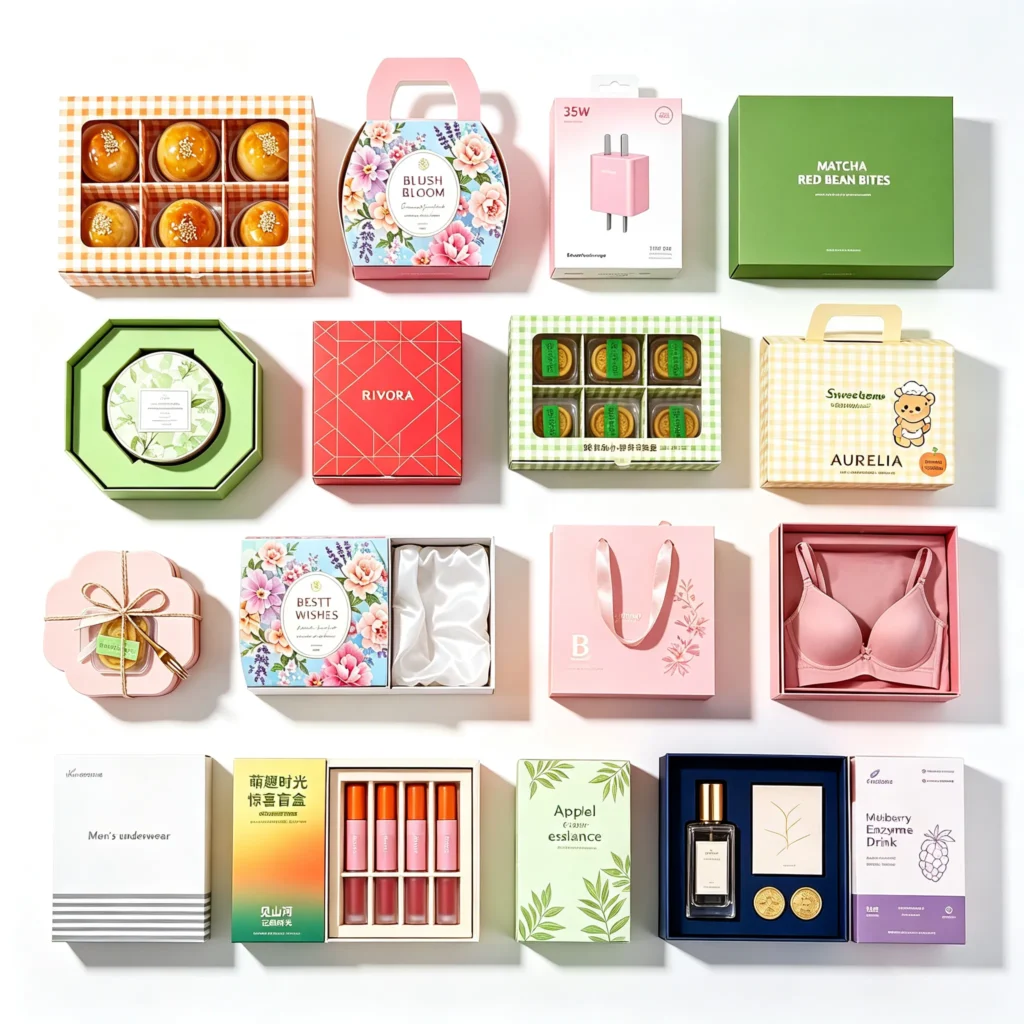
The outer box captures the first impression, while the insert guards the final checkpoint.
Consumers see the box first, but the product experience relies on the insert. No matter how well the box is designed, if the product shifts, collides, or tilts inside upon opening, all prior design and investment are compromised.
During transit, every bump and squeeze tests whether the insert can effectively secure the product. Improper securing increases the risk of damage, leading to higher return and customer service costs. An unsatisfactory unboxing experience can also damage consumer trust in the brand.
While the box attracts attention, the insert ensures the design is fully realized.
Why Do Custom Boxes Need Inserts?
Securing Product Position
Movement inside the box is a major cause of product damage during transit. A proper insert fits the contours of the product, restricts movement, and reduces the impact of vibrations and collisions, ensuring the product reaches the consumer safely.
Enhancing Product Display
The insert determines how the product is arranged within the box. A well-designed insert keeps the product neatly displayed, improves the professional feel of the packaging, and enhances the consumer’s unboxing experience.
Strengthening Brand Packaging Experience
The color, material, and structure of the insert can align with the outer packaging design. Beyond its protective function, it serves as an extension of the brand’s visual identity, allowing consumers to feel a cohesive product experience from the moment they open the package.
Common Packaging Insert Materials and Applications
Cardboard Inserts
Cardboard inserts represent a widely used choice for packaging boxes because they offer cost advantages, eco-friendliness, and high processability. Through folding and die-cutting, factories convert cardboard into various compartments and slots while supporting custom printing and branding.
Common Applications:
- Cosmetics Packaging
- Food Packaging
- Electronics Packaging
- Daily Necessities Packaging
Blister Tray Inserts
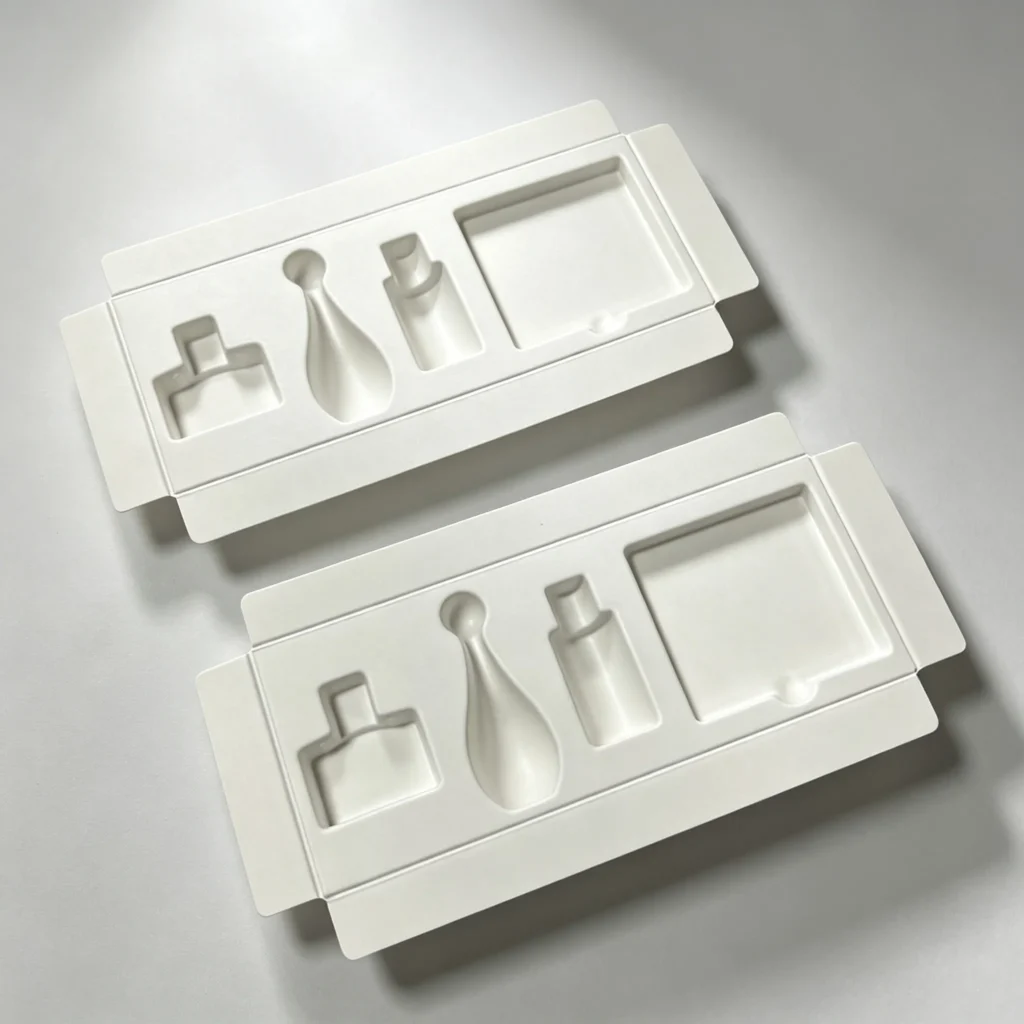
Factories produce blister tray inserts by heating plastic sheets to match mold shapes, creating a custom-fit structure for the product. Common materials include PVC, PET, and PETG. Because blister trays offer low production costs, fast molding, and clear presentation, they suit mass production scenarios exceptionally well.
Common Applications:
- Health Supplements
- Food
- Makeup Products
- Small Electronics

Molded Pulp Inserts
Manufacturers create molded pulp inserts from plant fiber materials, molding them into supportive structures. Consequently, they have become a popular eco-friendly packaging option in recent years. These inserts are fully biodegradable, environmentally friendly, and offer solid cushioning; therefore, they idealize sustainable packaging goals for modern brands.
Common Applications:
- Electronics
- Ceramic Products
- Glassware
- Eco-friendly Packaging Projects

EPE Foam Inserts
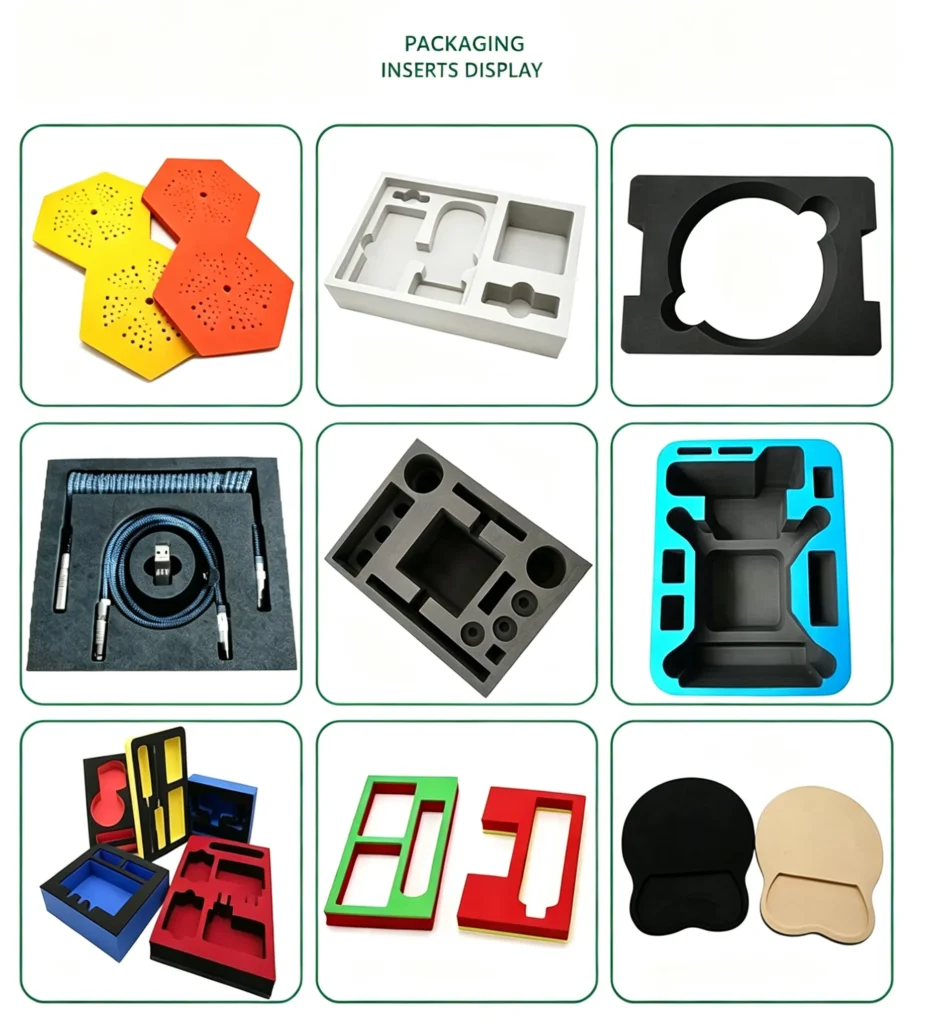
EPE (Expanded Polyethylene) foam is a lightweight cushioning material that offers excellent shock resistance and moisture protection. Therefore, it protects items during shipping without adding heavy freight weight. You can further enhance its appearance through surface film lamination, flocking, or paper lining.
Common Applications:
- Electronics
- Cosmetics
- Industrial Products
- Gift Packaging

EVA Foam Inserts
High-end packaging frequently features EVA foam because the material delivers softness, shock absorption, wear resistance, and a premium visual finish. Processed via CNC routing or die-cutting, it holds products in precise positions and elevates overall packaging quality.
Common Applications:
- Headphones & Earphones
- Watches
- Jewelry
- Luxury Gift Packaging

Sponge Inserts
Sponge inserts provide softness and cushioning, which actively reduces friction between the product and the box. Because they maintain moderate costs and flexible processing options, businesses commonly use them for small product packaging.
Common Applications:
- Jewelry & Accessories
- Small Electronics
- Gift Packaging
- Accessories Packaging

Velvet Inserts
Luxury packaging frequently utilizes velvet inserts because their soft tactile feel enhances product presentation. Designers often combine velvet with underlying foam or cardboard to increase structural support and visual appeal.
Common Applications:
- Jewelry
- Watches
- Luxury Gift Boxes
- High-end Gift Packaging

How to Choose the Right Packaging Insert Material?
Different products require specific insert solutions to maximize protection and visual appeal:
| Product Type | Recommended Insert |
| Headphones / Electronics | EVA Foam, Cardboard Inserts |
| Perfume Products | EVA Foam, Velvet Inserts |
| Cosmetics | Cardboard Inserts, Blister Trays |
| Jewelry & Accessories | Velvet Inserts, Foam Inserts |
| Candle Products | Cardboard Inserts, Molded Pulp Inserts |
| Food Products | Cardboard Inserts, Blister Trays |
When choosing an insert, you should evaluate the following key factors:
- Product Weight
- Product Dimensions
- Shipping Method
- Packaging Cost
- Brand Positioning
SC Packaging Custom Insert Solutions
SC Packaging(思诚) provides complete custom insert and packaging box solutions. We design proper insert options based on your product dimensions, box structures, and protective needs.
We support:
- Custom EVA Foam Inserts
- Cardboard Insert Design
- Custom Blister Trays
- Eco-friendly Molded Pulp Inserts
- Matching Various Box Structures
Whether you sell electronics, cosmetics, jewelry, or gifts, SC Packaging helps your brand create safer, more professional product packaging.
A packaging insert is an internal structural component that sits inside a box to secure, protect, and display products.
Protection levels depend on your specific product needs. For electronics and high-value items, EVA foam usually offers superior protection. Alternatively, for eco-conscious requirements, molded pulp inserts serve as the leading choice.
Yes. SC Packaging designs custom inserts tailored directly to your product dimensions and box structure.
Electronics like headphones typically use EVA foam or cardboard inserts to hold the product securely and minimize shipping damage.
SC Packaging sets a standard custom packaging MOQ of 500 units. However, the exact quantity depends on your selected materials, structures, and project requirements.