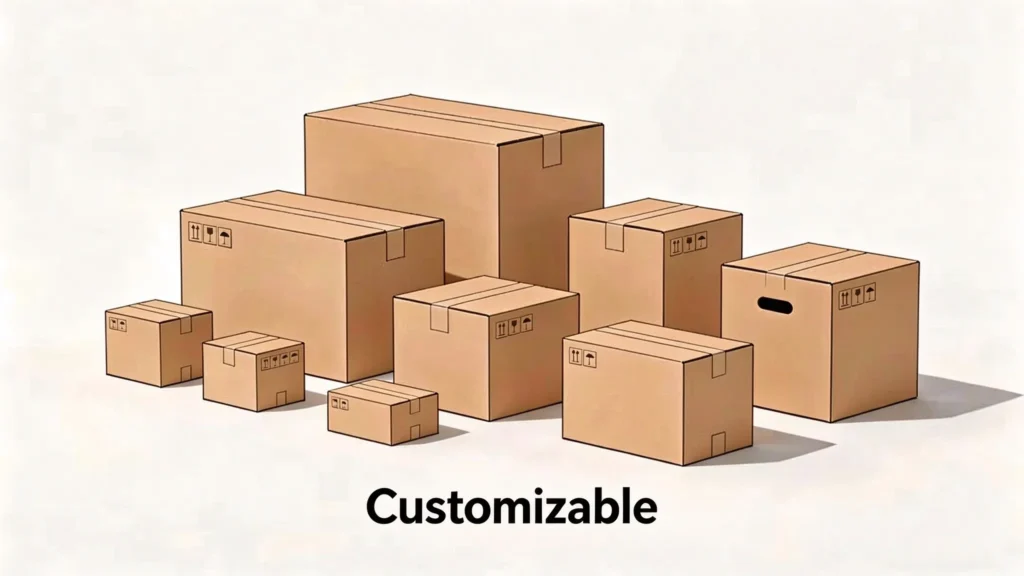
Ordering custom shipping boxes involves more than choosing a size and adding a logo. The box needs to fit the product, provide enough protection during transit, work with your packing process, and meet your budget.
For businesses ordering packaging in bulk, mistakes in dimensions, board strength, or box construction can lead to damaged products, unnecessary shipping costs, and problems on the packing line.
This guide explains what to prepare before requesting a quote, how to compare box specifications, and what to check before approving a bulk order.
Define What Your Shipping Box Needs to Do
Start with the product and its shipping conditions rather than choosing a box style immediately.
A box used for lightweight apparel has different requirements from one carrying glass products, electronic equipment, or several items packed together. Consider the following before contacting a supplier:
- Product dimensions and weight: Measure the product in the condition in which it will be packed.
- Inner packaging: Include protective sleeves, retail boxes, inserts, dividers, or other components.
- Shipping method: Consider parcel delivery, palletized freight, export shipping, or a combination of methods.
- Handling conditions: The package may be stacked, moved between facilities, exposed to vibration, or handled repeatedly.
- Packing process: Confirm whether the box will be packed manually or used on an existing packing line.
These details help determine the required box dimensions, construction, and board strength. They also give suppliers enough information to recommend a practical solution instead of quoting a box based on size alone.
Measure the Box Dimensions Correctly
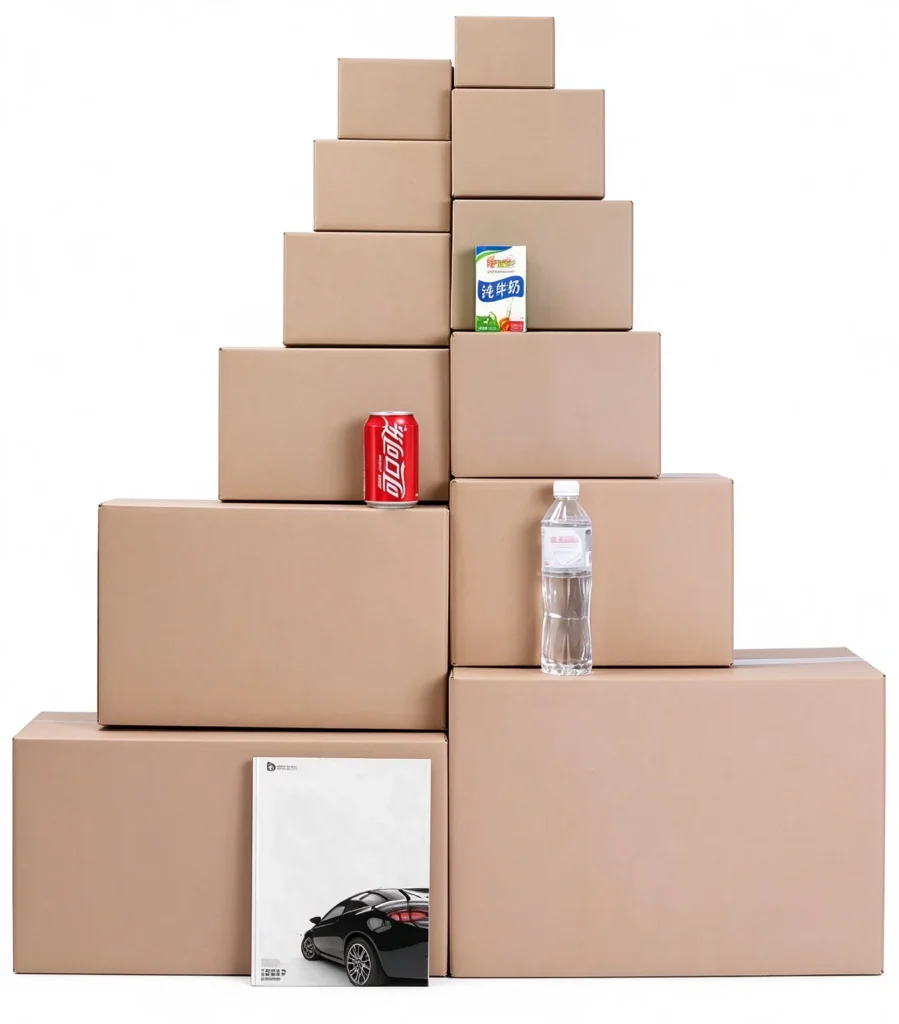
Dimensions are one of the most important details in a custom shipping box order. A box that is too small can damage the product or make packing difficult. A box that is too large may require extra void fill and increase shipping costs.
When requesting a quote, specify whether your dimensions refer to the inside or outside of the box. For product fit, internal dimensions are usually the starting point because they describe the available space inside the carton.
Measure the product after accounting for any retail packaging or protective components that will be shipped with it. Then allow enough room for the intended inserts or cushioning.
For example, a product packed inside a retail box requires more space than the product alone. If several products will share one shipping carton, consider their arrangement, separation, and the space needed for protective materials.
Also confirm how the supplier defines the dimensions and how the box style affects the final measurements. Corrugated board thickness and box construction can affect the relationship between internal and external dimensions.
Before placing a bulk order, ask the supplier to confirm the final dimensions in writing.
Choose a Box Style That Fits Your Operation
The right box style depends on the product, packing method, protection requirements, and presentation needs.
Regular Slotted Container (RSC)
An RSC is a common corrugated shipping carton with flaps that meet at the center when closed. It is often suitable for general shipping, storage, and bulk distribution.
This style is worth considering when you need a practical carton for standard packing operations. Confirm the dimensions, board specification, and closure method before ordering.
Die-Cut Mailer Box
A die-cut mailer box uses a shaped blank that folds into a more structured package. Depending on its design, it may offer a neater presentation and convenient assembly.
It can be suitable for direct-to-consumer orders, subscription products, promotional kits, or products that need a more organized unboxing experience. Inserts can be incorporated when individual items need to stay in position.
Reinforced or Full-Overlap Carton
Some products or shipping conditions may require additional reinforcement. A full-overlap design uses flaps that overlap when closed, while other reinforced constructions can provide extra material in selected areas.
The appropriate design depends on the product weight, stacking conditions, handling requirements, and distribution route. Do not assume that a particular style will automatically provide sufficient protection; confirm the complete specification with the supplier.
If the box will run through an existing packing line, tell the supplier about the equipment and packing process before selecting a design. A box that looks suitable on paper may still cause problems during assembly or sealing.

Select the Right Corrugated Board Strength
Corrugated boxes are made from linerboard and a fluted inner layer. The board grade and construction influence the carton’s performance, but selecting the right specification requires more than choosing the thickest material available.
Single-Wall and Double-Wall Corrugated Board
Single-wall board has one fluted layer between two linerboards. It may be suitable for many everyday shipping applications, depending on the product and distribution conditions.
Double-wall board contains two fluted layers and three linerboards. It may be appropriate when a shipment requires additional rigidity or stacking performance.
Neither option is automatically right for every order. The product weight, carton dimensions, internal support, stacking load, moisture exposure, and shipping route all matter.
ECT and Burst Strength
Suppliers may specify corrugated board using Edge Crush Test (ECT) or burst strength ratings. These are different measures of board performance and should not be treated as interchangeable.
ECT measures the board’s resistance to edgewise crushing and is commonly used when evaluating stacking-related performance. Burst strength measures resistance to pressure applied to the board surface.
A higher rating does not guarantee that a finished box will protect every product under every condition. Box design, dimensions, closure, packing method, and distribution conditions also affect performance.
When comparing quotations, ask suppliers to state the board construction and the relevant rating clearly. Compare equivalent specifications rather than relying on descriptions such as “heavy-duty” alone.

Plan the Closure, Inserts, and Pallet Arrangement
The box itself is only one part of the packaging system. How the product is secured, how the carton is closed, and how the shipment is arranged can all affect the result.
For standard corrugated cartons, sealing tape is commonly used to close the flaps. The appropriate tape and sealing method depend on the carton, load, handling conditions, and packing process.
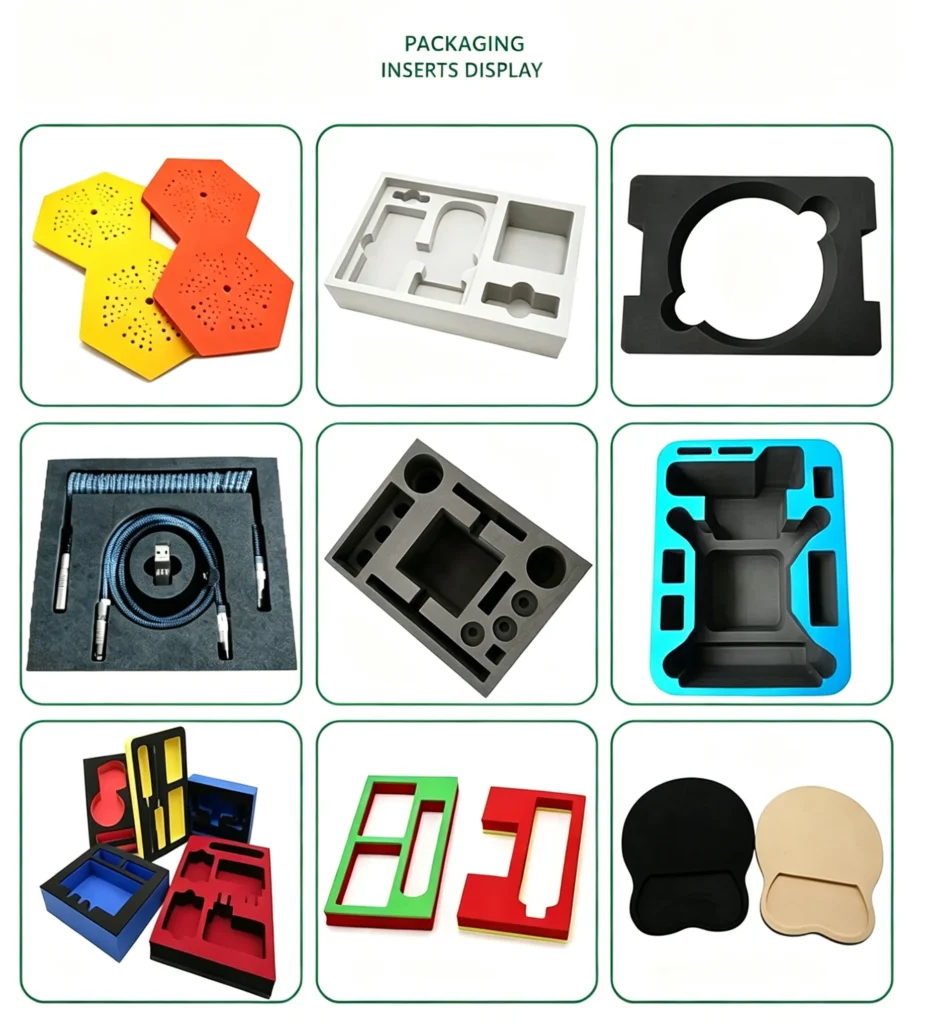
If the product can move around inside the box, consider inserts, dividers, cushioning, or void fill. These components should keep the product stable without making packing unnecessarily complicated.
For palletized shipments, consider how cartons will be arranged and stacked. Carton dimensions, load distribution, and pallet configuration can affect storage efficiency and the risk of crushing.
Discuss these requirements before finalizing the box design, especially when the shipment contains fragile products or several items in one carton.
Decide Whether You Need Printed Shipping Boxes
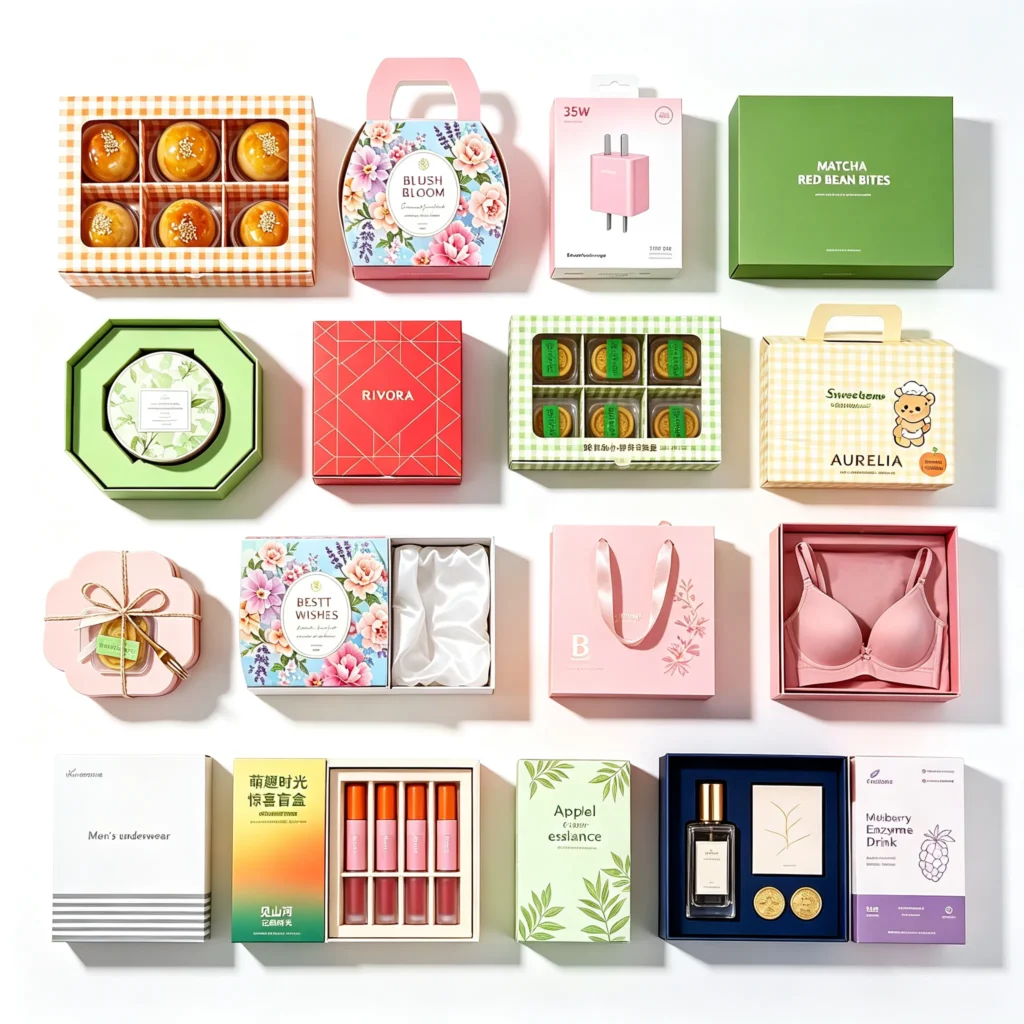
Custom shipping boxes can be printed with a company logo, brand colors, handling information, or other approved artwork. The appropriate print specification depends on the purpose of the packaging.
For plain shipping cartons, practical priorities may include clear labels and easy identification. For branded e-commerce packaging, logo placement and the unboxing experience may also matter.
Before production, confirm:
- The final artwork and print colors.
- The position of logos, barcodes, shipping labels, and handling marks.
- The printable area and any restrictions caused by folds or seams.
- The supplier’s dieline for the selected box style.
- Whether a digital proof or physical sample is required for approval.
A barcode or label placed across a fold, seam, or poorly positioned area can create avoidable problems during packing and scanning. Review the dieline carefully rather than approving artwork based only on a flat design image.
Understand What Affects Custom Shipping Box Prices
The price of a custom shipping box depends on more than its length, width, and height. Two boxes with similar dimensions can have different prices if their board specifications, construction, printing, or order quantities differ.
Common cost factors include:
- Box dimensions: Larger boxes generally require more material.
- Board construction and strength: Different grades and wall constructions have different material requirements.
- Box style: Special die-cut designs or reinforced structures may require additional setup or tooling.
- Printing: Artwork, print coverage, colors, and production methods can affect the quotation.
- Inserts and protective materials: Dividers, custom inserts, and cushioning add components and production steps.
- Order quantity: Quantity affects production efficiency and the unit price.
- Delivery requirements: Freight, destination, packaging, and delivery arrangements can affect the total order cost.
- Storage and inventory: Ordering too much packaging can tie up cash and warehouse space, while ordering too little may lead to repeated purchasing and setup costs.
The lowest unit price is not always the lowest overall cost. A box that requires excessive void fill, takes longer to pack, or allows products to be damaged may create additional expenses.
When comparing suppliers, request quotations based on the same dimensions, board specification, box style, printing requirements, quantity, and delivery destination. Otherwise, the prices may not be directly comparable.

Prepare a Complete Request for Quotation (RFQ)
A clear request for quotation helps suppliers assess the project and reduces unnecessary back-and-forth.
Before requesting a price, prepare as much of the following information as possible:
- Product name and intended use.
- Product dimensions and packed weight.
- Required internal or external box dimensions.
- Preferred box style, if known.
- Board construction or strength requirements, if established.
- Inserts, dividers, or other protective components.
- Printing artwork or logo requirements.
- Estimated order quantity.
- Delivery destination and preferred delivery schedule.
- Sample requirements and any packing-line constraints.
You do not need to know every technical specification before contacting a manufacturer. If you are unsure about the board grade or box construction, explain the product and shipping conditions so the supplier can review the requirements.
A useful RFQ should make it clear what is already decided and what still needs technical confirmation.
Compare Suppliers Beyond the Unit Price
When comparing custom shipping box suppliers, check whether each quotation covers the same requirements.
A lower quotation may exclude printing, inserts, tooling, freight, or other items included in another supplier’s price. Ask for a clear breakdown whenever the scope is uncertain.
It is also worth confirming:
- Whether the supplier can produce the required box style and board specification.
- Whether the quotation states the dimensions and material construction.
- Whether artwork review and sampling are available.
- How specification changes are handled after approval.
- What quality checks are performed before shipment.
- Whether the production schedule and delivery arrangements meet your needs.
Ask questions when the specification is unclear. It is easier to resolve a missing detail before production than after thousands of boxes have been made.
Approve a Sample Before Bulk Production
A sample allows you to check the design before committing to a full production run.
Where possible, evaluate the sample using the actual product and the intended inner packaging. Check whether the product fits, whether the box closes correctly, whether the inserts hold the contents in place, and whether the carton can be packed efficiently.
Also review the printed artwork, dimensions, board specification, and closure method against the agreed requirements.
For products exposed to demanding distribution conditions, consider appropriate performance testing. Depending on the shipment, this may include drop, vibration, compression, or environmental testing. The relevant test method should reflect the actual risks rather than being selected arbitrarily.
Formal distribution testing, including applicable International Safe Transit Association (ISTA) procedures, may be useful for certain products and shipping programs. Not every shipment requires the same test, so choose the method based on the packaging system and distribution conditions.
Once the sample is approved, make sure the final specification is documented. Changes to dimensions, materials, artwork, or inserts should be reviewed before production begins.
Confirm the Final Specification Before Ordering
Before approving a purchase order, check that the supplier’s documents match the sample and quotation.
The final specification should identify the box dimensions and whether they are internal or external, the board construction, the box style, the printing requirements, the inserts, the order quantity, and the delivery arrangements.
Confirm any agreed sample approval, production schedule, and packaging requirements in writing. If a detail matters to the product’s fit or protection, do not leave it to assumption.
This final review helps both sides work from the same requirements and reduces the risk of receiving packaging that differs from what was approved.

Get a Quote for Custom Shipping Boxes
SC Packaging has 15 years of experience in custom packaging manufacturing. If your business is planning a shipping box order, prepare the product dimensions, packed weight, quantity, preferred box style, artwork, and delivery destination before requesting a quotation.
If you are unsure which board construction or box style is appropriate, share the product and shipping requirements so the specifications can be reviewed before production.
Get A Quick Quote Now!
Frequently Asked Questions
What information do I need to get a quote for custom shipping boxes?
Provide the required dimensions, product weight, quantity, preferred box style, board requirements if known, printing details, inserts, and delivery destination. If some specifications are undecided, explain the product and shipping conditions so the supplier can advise on suitable options.
Should I provide inside or outside box dimensions?
For product fit, internal dimensions are usually the starting point. However, suppliers may need both internal and external dimensions for certain applications. State clearly which measurements you are providing and confirm the final dimensions with the manufacturer.
What is the minimum order quantity for custom shipping boxes?
The minimum order quantity depends on the supplier, box construction, printing, and production requirements. SC Packaging’s standard MOQ is 500 pieces. Confirm the applicable quantity for your specific design before placing an order.
How much do custom shipping boxes cost?
Pricing depends on box dimensions, board construction, box style, printing, inserts, order quantity, and delivery arrangements. To compare quotations fairly, provide the same specifications to each supplier and confirm which costs are included.
Should I choose single-wall or double-wall corrugated boxes?
The choice depends on product weight, carton dimensions, stacking conditions, handling, and the distribution route. Single-wall board may suit many standard applications, while double-wall construction may be appropriate for shipments requiring additional rigidity. Confirm the board specification against the actual requirements rather than choosing by thickness alone.
Can I add my logo to custom shipping boxes?
Printing options depend on the box material, construction, and supplier’s production capabilities. Provide your artwork and confirm the printable area, colors, dieline, and label placement before production.
Should I request a sample before placing a bulk order?
A sample is useful for checking dimensions, product fit, closure, inserts, and artwork before bulk production. For demanding shipping conditions, additional performance testing may also be appropriate.
How can I reduce the total cost of shipping boxes?
Start with accurate dimensions and a suitable board specification. Avoid unnecessary empty space, review inserts and packing time, and consider freight and storage costs alongside the unit price. Do not reduce material strength without checking that the packaging can still meet the shipment’s requirements.
Do custom shipping boxes need inserts or dividers?
Not every product needs them. Inserts or dividers may be useful when products are fragile, multiple items share one carton, or movement inside the package could cause damage. Choose the design based on the product’s shape, protection needs, and packing process.
What should I check before approving bulk production?
Confirm the dimensions, board construction, box style, artwork, inserts, quantity, sample approval, and delivery requirements. Make sure the final specification is documented and that any changes are approved before production starts.